




Guest: Brad Charron — refounder and CEO of ALOHA Host: Elizabeth Stein, founder & CEO of Purely Elizabeth Listen: Apple Podcasts | Spotify | Amazon Music | iHeart Radio
Brad Charron didn't start ALOHA — he refounded it. He stepped in when the company was broken: too many products, no clear direction, no sustainable business model, and a culture built for an exit rather than for longevity. What he built in its place is a B Corp, Climate Neutral certified, employee-owned brand guided by the Hawaiian concept of kuleana — reciprocity — and a belief that business can be a genuine force for good.
In this conversation, Brad and Elizabeth talk with unusual honesty about what wasn't working when he arrived, why he's allergic to raising money for its own sake, and how an ice hockey career (as a goalie) shaped the way he thinks about probability and entrepreneurship. They also talk about kuleana, building remote culture without losing the human element, and why humility is the leadership trait he wishes more founders had.
Key Takeaways
Focus over breadth — every time — the original ALOHA was in vitamins, teas, chocolates, granolas, protein bars, powders, greens, and more; building without prioritization is one of the most reliable ways to burn through money and never stand out
Employee ownership changes everything — when everyone is on the same scoreboard — investors, management, junior employees — decision-making aligns around what's actually good for the business and the consumer, not just what benefits those at the top
Kuleana means reciprocity — the Hawaiian concept at the heart of ALOHA's culture; if more business relationships operated this way, zero-sum games would give way to mutual service and shared wins
Don't build to sell — build something great enough that a sale becomes an option, not a foregone conclusion; artificial exits produce artificial companies
Momentum is powerful and fickle — the moment you think you've captured it and it's yours, you've probably already started losing it; humility about where you are keeps the team sharp
Positive intent is the foundation of remote culture — in a distributed team, the most culture-killing thing is assumptions; assume positive intent and argue with facts, not speculation
Products Mentioned
- ALOHA Chocolate Cherry Protein Bar — just launched; sold out on TikTok in four days
- ALOHA Banana Bread Chocolate Chip Protein Bar — Brad's personal favorite; seasonal, based on a recipe found in Maui on the road to Hana; currently out of stock
-
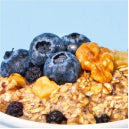
Purely Elizabeth Protein Oatmeal — Maple Cinnamon Roll, Apple Harvest Crumble, and Chocolate Chip Banana Bread; available at purelyelizabeth.com and coming soon to Albertsons, Publix, Whole Foods, and Target
→ Shop ALOHA → Shop Purely Elizabeth Protein Oatmeal
Episode Highlights
On why Brad took the job at a broken company:
The appeal was white space — being able to set his own path without inheriting someone else's playbook. Everything was broken: product, team, direction, financial model. His previous experience at Under Armour, Chobani, Kind, and Nature's Bounty had been operating within other founders' visions. This was the first time he'd be the one setting direction from scratch. The broken state of ALOHA was an opportunity to build it correctly.
On what was actually wrong with the original ALOHA:
Too many products, no product P&Ls, no understanding of what the market would bear. The founding team was caught in the pre-2015 CPG mentality: build as big as possible, don't worry about profitability, target the exit. They were spending on product development without asking whether any individual product had a reasonable chance of adoption. Brad's view: the job of any startup is to stay in business. Everything else flows from that.
On the Hawaiian concept of kuleana:
Kuleana — a Polynesian concept meaning reciprocity — is written into the spirit of ALOHA as a brand. Brad convened a Hawaiian Council of Native Hawaiians early on to advise on stewardship of the name and culture. He describes kuleana as the operating principle he wishes more food businesses embraced: what if we weren't interested in zero-sum games? What if we served all stakeholders — partners, consumers, communities — rather than maximizing extraction from each relationship?
On B Corp certification and what it actually means:
B Corp status wasn't about claiming to be better than other companies — it was about accountability. ALOHA holds itself to a formalized standard, not just through intention. Climate Neutral certification, employee ownership, and the B Corp framework all serve the same purpose: making values operational rather than aspirational.
On the goalie mindset:
Brad played hockey at a high level, including as a goalie. He describes goaltending as fundamentally a probability exercise: 85% chance the shot comes from here, 15% from there, plan accordingly. That framework carried into how he thinks about entrepreneurship — not trying to hit a home run, not betting the ranch on lightning in a bottle, but making moves based on realistic probability assessments and staying patient on the consumer's timeline rather than his own.
On mentors:
Kevin Plank, Hamdi Ulukaya, Daniel Lubetzky: Three leaders left lasting impressions. Kevin Plank's emotional investment in product specs even as Under Armour scaled. Hamdi Ulukaya pacing the halls at Chobani, never satisfied even when the numbers were great, always wanting to be more than a yogurt company. Daniel Lubetzky at Kind, walking through cubicles and knowing people by name — not as functions or titles, but as humans. That people-first orientation in a founder is something Brad carries forward.
Frequently Asked Questions
Who is Brad Charron?
Brad Charron is the refounder and CEO of ALOHA, a B Corp and Climate Neutral certified protein bar and plant-based food brand. Before ALOHA, he held senior roles at Under Armour, Chobani, Kind, and Nature's Bounty, and launched Lucky Brand Jeans in Europe. He is a former collegiate hockey player who played as a goalie. ALOHA operates remotely with 29 employees distributed across the US.
What is ALOHA the brand?
ALOHA is a plant-based food company best known for its protein bars. The brand is USDA Organic, B Corp certified, Climate Neutral certified, and structured with employee ownership. Its non-negotiables include organic ingredients, a balanced macronutrient profile, fiber for satiety, and genuine taste — Brad is particularly adamant about not using sugar alcohols. The brand's operating culture is shaped by the Hawaiian concept of kuleana (reciprocity). ALOHA is available at Whole Foods, Sprouts, Walmart, Target, Wegmans, Harris Teeter, and aloha.com.
What does "refounder" mean in Brad Charron's case?
Brad Charron joined ALOHA after the original company had failed commercially. He rebuilt it essentially from scratch — clearing the debt of the prior enterprise, refocusing the product line, restructuring the business model, and installing a culture built on employee ownership rather than an exit mentality. He uses the term "refounder" to distinguish this from either being the original founder or simply a hired CEO.
What is kuleana and why does it matter to ALOHA?
Kuleana is a Hawaiian and broader Polynesian concept that translates roughly as reciprocity — the idea that relationships are mutual, that what you take from a community or partnership you also give back to. It sits in the Hawaiian State Constitution alongside values like humility, transparency, and openness. Brad convened a council of Native Hawaiian advisors early in his tenure to inform how ALOHA stewards the name and the cultural legacy it carries. Kuleana is the framing for how the brand thinks about partnerships, consumer relationships, employee ownership, and its role in the communities where ingredients are sourced.
What does it mean that ALOHA is employee-owned?
Every employee at ALOHA — from most junior to most senior — has ownership in the company. Brad describes it as "egalitarian capitalism": not equal ownership for everyone, and not all voices carrying equal weight, but everyone on the same scoreboard. When the company wins, everyone wins. This structure was set from the beginning with investor backing, and Brad believes it drives better decision-making because it eliminates the misalignment where founders or PE investors capture the majority of upside while employees receive only salary.
What is Brad Charron's philosophy on growing a food brand?
Don't try to hit a home run. Build from a position of focus and strength before expanding. Ensure every product has a viable path to profitability — not just a compelling pitch. Stay on the consumer's timeline, not your own. Momentum is real but fragile — the moment you take it for granted, someone takes it from you. And don't build to sell artificially; build something worth acquiring naturally.
Topics: Food Entrepreneurship · B Corp · Employee Ownership · Brand Building · CPG Leadership · Hawaiian Values · Kuleana · Remote Team Culture · Sustainable Growth · Mission-Driven Business
Last Updated: June 26, 2026


